Island at the Crossroads: History and Modern Identity
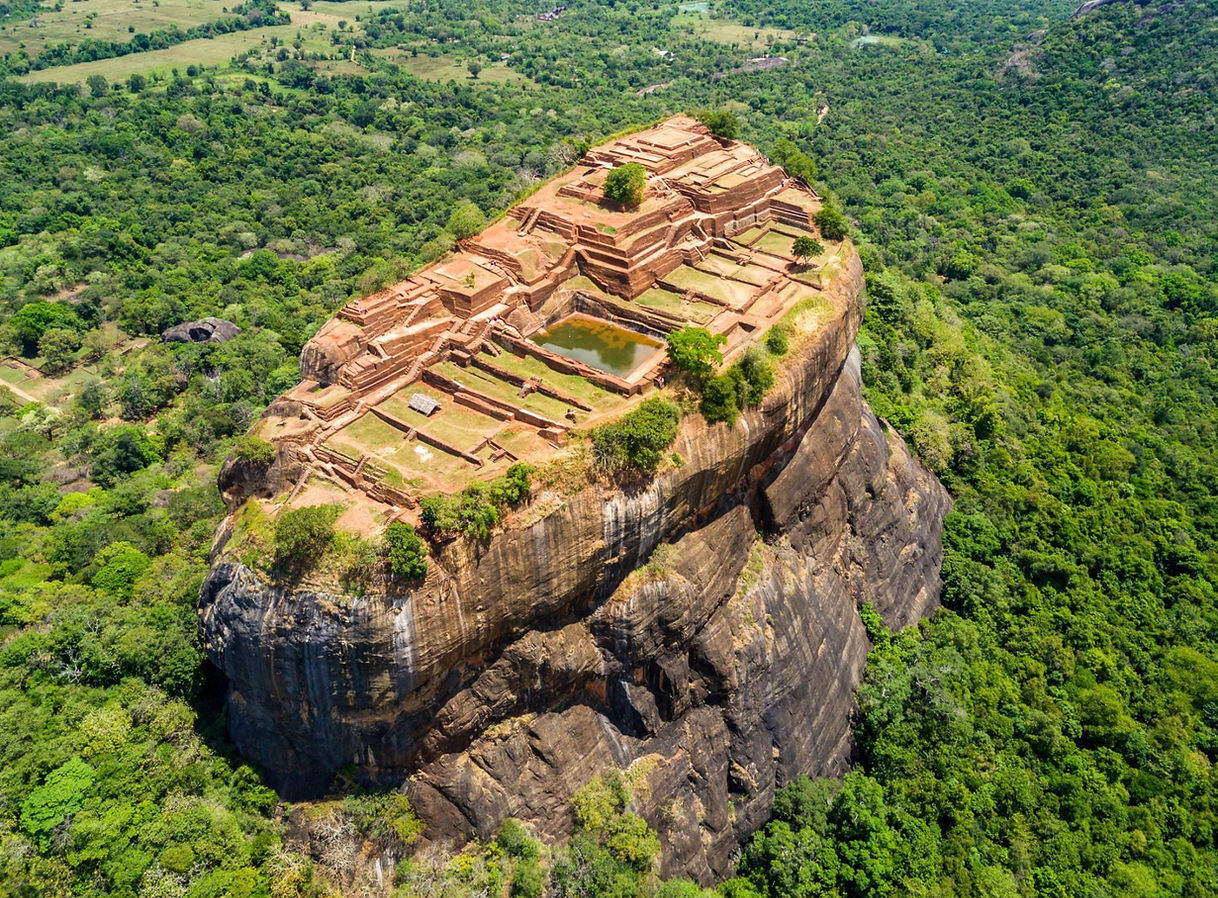
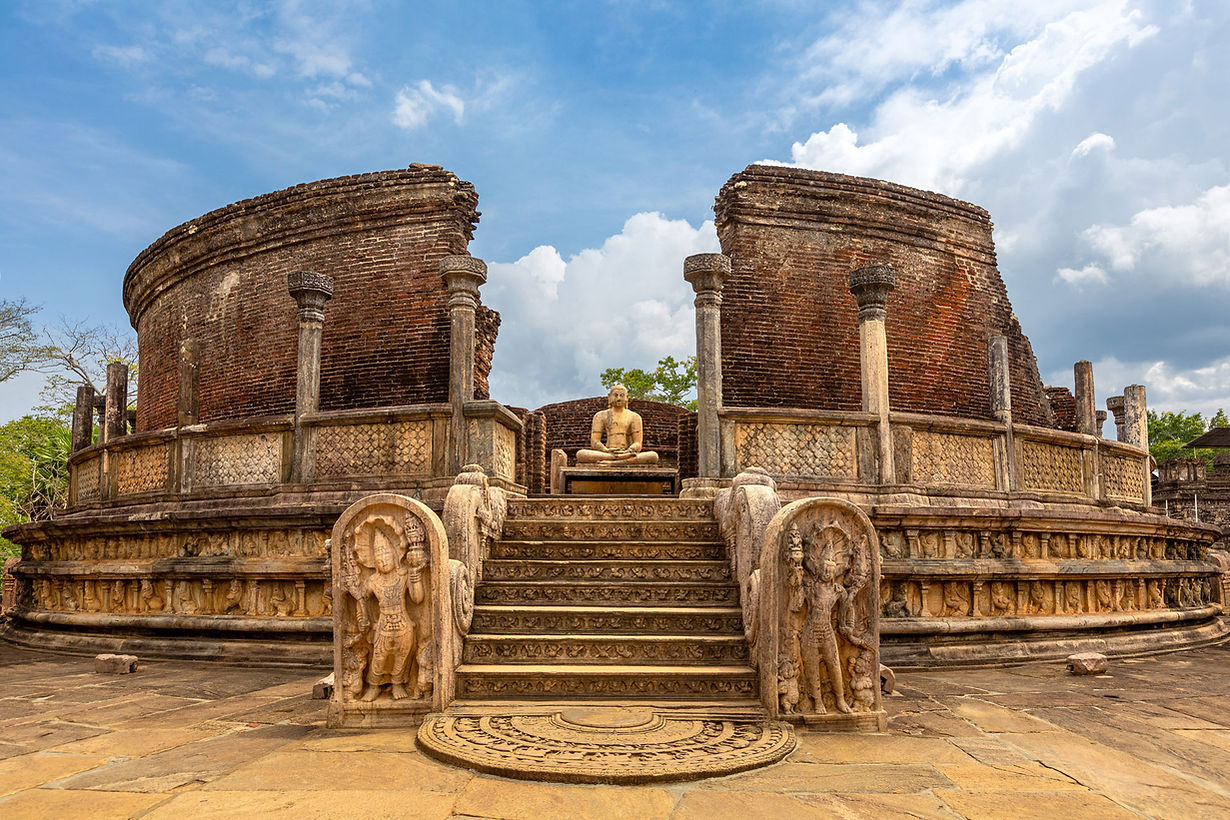
Sri Lanka's story stretches back over 2,500 years, shaped by ancient kingdoms, maritime trade, and a strategic location along Indian Ocean routes. Early Sinhalese civilizations built sophisticated irrigation systems and monumental cities like Anuradhapura and Polonnaruwa. The island later absorbed layers of influence from South India, particularly Tamil culture, alongside Buddhism's deep-rooted presence. European colonial powers — Portuguese, Dutch, and finally British — left lasting marks on administration, architecture, and infrastructure. Independence in 1948 marked a new chapter, though the late 20th century was defined by a long civil conflict that ended in 2009. Today, Sri Lanka is rebuilding and redefining itself as a tourism hub and regional economic player. Its identity blends ancient tradition with post-colonial complexity and modern global aspirations.